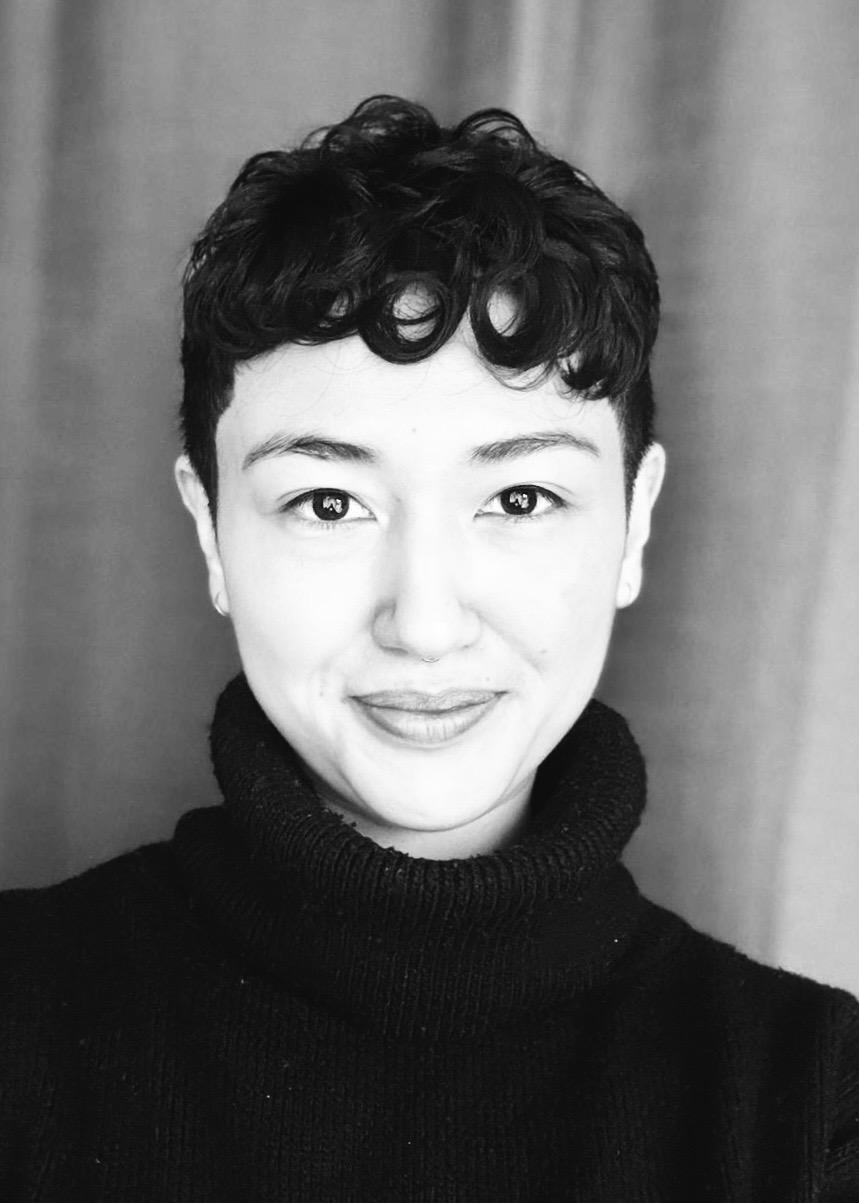
Xenia Glen is a Dorset-based multidisciplinary filmmaker working primarily as a writer-director. Her path into filmmaking has been anything but conventional and yet she’s achieved so much, from landing commissions, securing funding and making films that have screened at Oscar and BAFTA-qualifying festivals to inspiring the next generation of filmmakers. In this blog, she shares her reflections on overcoming industry barriers, building an ethical filmmaking practice, and developing her voice as a regional filmmaker.
Today I spent hours working on a funding application for a film that’s been passed on by two other funds. Third time’s the charm? Maybe. ‘Continue anyway’ has become a motto between my collaborators and me. I’ve been involved with film and TV since I was a pre-teen, when I got myself an acting agent (much to my mother’s surprise). I went to the library, looked them up, reached out, and they signed me. Easy peasy. That’s where ‘easy’ ended…
They signed me because I filled a gap – they didn’t have Southeast Asian actors on their books. I realised my ethnicity was considered ‘different’ in the industry; a hard pill to swallow. My response was to get a camcorder at a car boot sale, repurpose skates into a dolly and direct my mates in a low-fi version of Takeshi’s Castle, of all things. I still have the kit!

Next, I made an animation edited on Windows Movie Maker. This taught me how many pictures go into one second of film. I was mind-blown and hooked on filmmaking. But I didn’t think I could make films for audiences, I just enjoyed the process of making. It was play.
I fell out of the education system when I was around 15, became displaced and started experimenting with screenwriting. Like my mother, I became a cleaner – but I figured that if I was going to be a cleaner in Dorset, I might as well be one in London and try to get my ‘foot in the door’. I made the move and winged it, fueled by teen spirit.
While my friends were at college I juggled shifts at Waitrose with auditions and I got cast in an episode of a children’s TV show and commercials. During a shoot I was surprised to meet a Southeast Asian woman in the camera department. This was 2010 and the filmmakers I’d encountered were mainly white men. Between my scenes, she allowed me to shadow her. The impact she had on me proves the importance of diversity in our industry. She suggested joining the filmmaker’s community Shooting People (now sadly closed). I asked them for a job and landed an apprenticeship there when I was 18. I got involved with films advertised on the platform and this is how I learned ‘industry things’ like… what the British Film Institute (BFI) is.
Since then, I’ve had all manner of industry jobs, my last being a Development and Production Executive. But no matter what ‘credibility’ those jobs gave my IMDb profile, they didn’t actually feel like filmmaking. So I ditched London for my hometown to relaunch my career: I set up a production company, Sleepwalker Studios, and started writing and directing.
Surprisingly, living in Dorset made filmmaking more accessible. My films Backbone (BBC New Creatives), The Memory Boom (Exeter Phoenix, Tallinn Black Nights Film Festival – Rebels with a Cause award nominee), and Camel Before the Storm (Natural England, Arts and Culture) were commissions for south west filmmakers.
I connected with Watershed and BFI NETWORK South West, and the hub supported me in several ways:
- New Voices (2020), a scheme for underrepresented writer-directors.
- BFI NETWORK Short Film Fund (2021) for Alo (Special Mention at Best of British at Encounters, London Film Festival, Sundance London). The film – directed by me, co-written with Antosh Wojcik – inspired our feature Carabao.
- BFI NETWORK Early Development Fund (2022) for Carabao
- Shorts2Features (2022), a development lab for directors and producers moving into long-form.
I also received support from the wider BFI:
- BFI NETWORK x BAFTA Crew mentorship (2021)
- NETWORK@LFF (2023)
- BFI Doc Society Made of Truth Fund (2024) for The Walnut of Knowledge, which I produced (won Kodak Cinematic Vision Award at Ann Arbor Film Festival, nominated for Grand Prize at Oberhausen Film Festival).
- BFI Filmmaking Fund – Development (2025) for Carabao.
- The First Feature – Producer Lab (2026) for All Must Burn at Smugglers’ Lane, produced by Yemi Adegbulu and directed by me.
New Voices impacted me greatly; it was a safe space to explore my identity as a writer/director and resulted in the concept for Alo. As someone who hasn’t set foot in a college, university, or film school, these schemes gave me faith in myself as a professional filmmaker and helped me find new skills, confidence and collaborations.
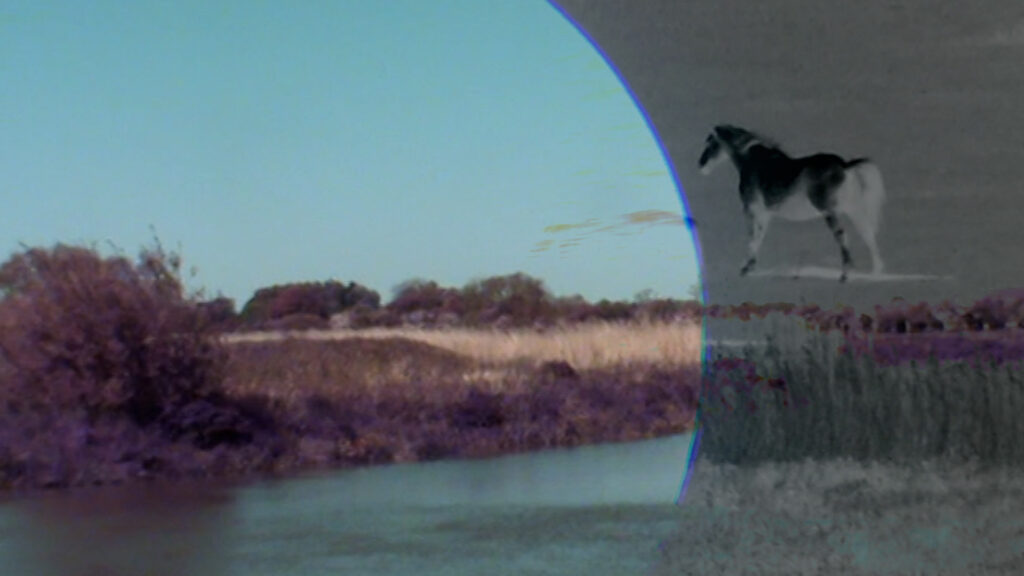
I work with long-term collaborators: Jamie McCulloch (edit supervisor, we teamed up as teenagers), Antosh Wojcik (writer, sound designer), Yemi Adegbulu (producer) and Lily Baldwin (multidisciplinary creative). Filmmaking isn’t a solo journey, my collaborators motivate me despite active industry barriers.
During the Scottish Documentary Institute’s DOC Sessions programme, I was encouraged to share a high, low and proud point of my career. I was flummoxed. I realise I don’t prioritise traditional career achievements, for better or worse. ‘Gatekeeper’ and ‘getting a foot in the door’ are frequently referenced in this line of work, but I think my industry door is a revolving one that no one can hold open. It spins endlessly – sometimes I can jump in, make a film, before being spun back out. That’s OK, I’m not outcome-led; I prioritise the process of ethical filmmaking (and maintaining ‘good vibes’), an approach I’ve achieved with practice. I’m developing my voice as a filmmaker through experimentation, exploring subjects of personal significance, and recently I’ve been fortunate to regularly make films. In an industry focused on outcomes, perhaps my ‘proud point’ is that I ‘continue anyway’.
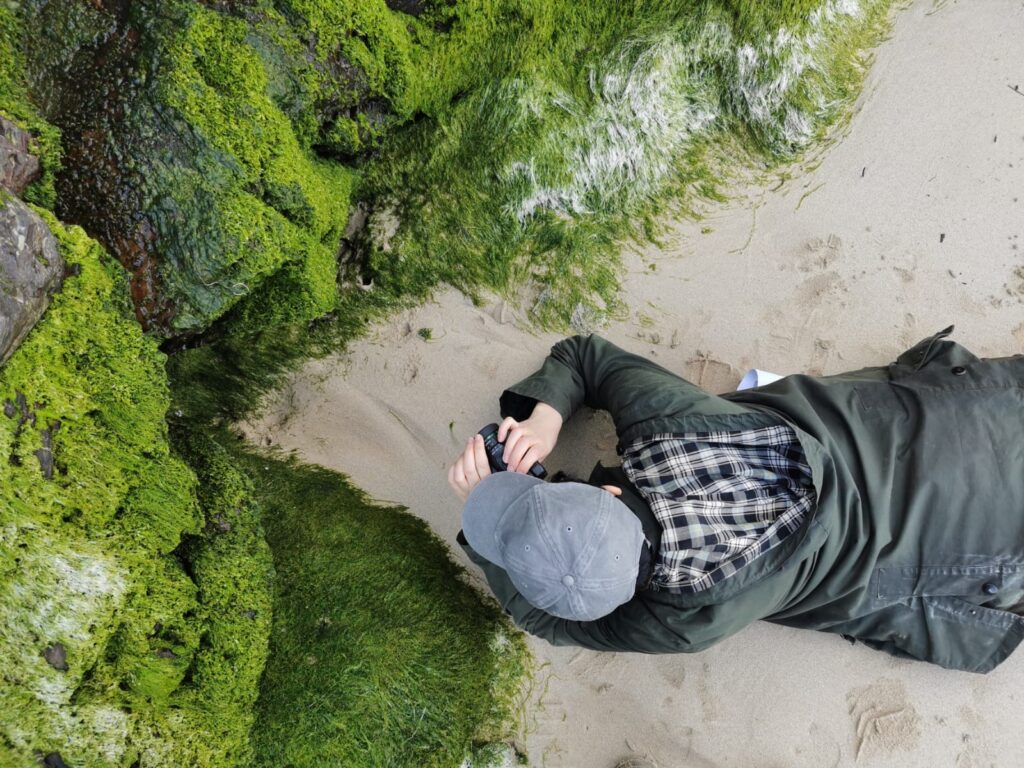
Xenia is a Filipina-British filmmaker and co-founder of Sleepwalker Studios. Her work spans experimental, documentary and narrative filmmaking, often exploring memory, health and migration. She is in development with Home Team Content on Carabao, a feature expansion of her short Alo, which screened at the BFI London Film Festival, Sundance Film Festival London, Encounters, and was selected for Short of the Week. Her latest feature documentary as producer/director, The Memory Boom, premiered at PÖFF in the Rebels with a Cause competition and has been selected for the BFI National Archive, alongside Alo, My Filipino and The Walnut of Knowledge (which she produced).
Xenia is a recipient of the John Brabourne Award and BAFTA Mentorship. She is currently in post-production on Camel Before The Storm, an experimental environmental feature for Natural England.