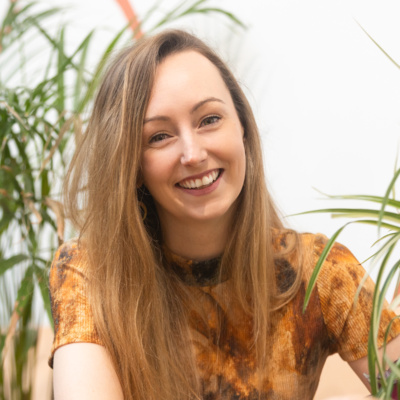
FilmBath Festival Director, Jasmine Barker, shares her key takeaways from Sheffiled DocFest 2026, attended with support from Film Hub South West’s travel bursary scheme.
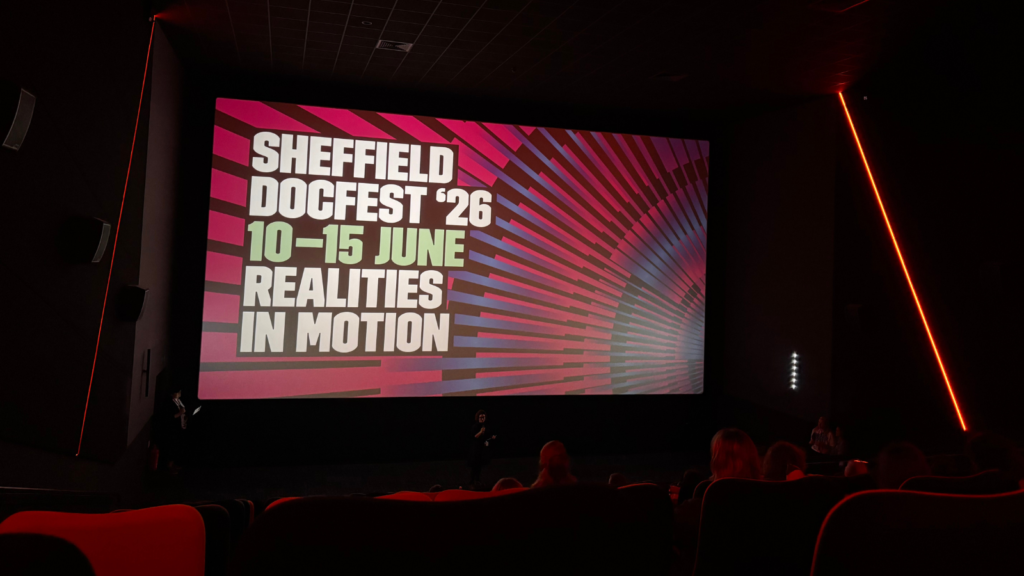
All Film Hub South West members can apply for bursaries to support travel, accommodation, enrolment fees or accreditation costs to enable attendance at relevant conferences, events and film festivals, with up to £150-250 available for members to improve their practices. More details can be found here.
Read on to find out more about Jasmine’s experience…
FilmBath is the charity behind Bath Film Festival, our year-round screening programme and initiatives such as Movie at the Museum. I am the Director and was delighted to attend Sheffield DocFest thanks to a BFI Film Hub South West travel bursary. Sheffield is a festival I have had my eye on for a while, particularly as many of the documentaries that premiere there later find their way into our own programming in Bath.
I arrived expecting to discover potential films for future FilmBath audiences, but I was also keen to experience the festival itself and see what lessons could be brought back to Bath.
One of the biggest takeaways was the breadth of documentary storytelling on display. Films such as TheyDream and Matinino blended documentary with animation, drama and constructed characters in ways that challenged traditional ideas of the genre. It was a reminder that documentary can be every bit as creative and inventive as fiction filmmaking. Another standout was How to Feed a Dictator, which approached difficult political histories from an unexpected angle, using the stories of dictators’ chefs to explore power, complicity and memory.
I also watched Time and Water and Kiyunka Land, both accompanied by filmmaker Q&As. These conversations always add valuable context to the films and reinforce the role festivals play in connecting audiences directly with filmmakers and their work.
Beyond the cinema programme, I visited Sheffield DocFest’s Alternate Realities exhibition, where gaming, immersive storytelling and documentary practice collide. It was good to see a free exhibition sitting alongside the film programme, giving audiences another way to engage with stories between screenings. It also demonstrated how a festival can expand beyond traditional film exhibition to create a wider cultural experience. The exhibition got me thinking about what might be possible in Bath through partnerships with organisations such as Fringe Arts Bath and how local authority support can help make ambitious public-facing work accessible to audiences.
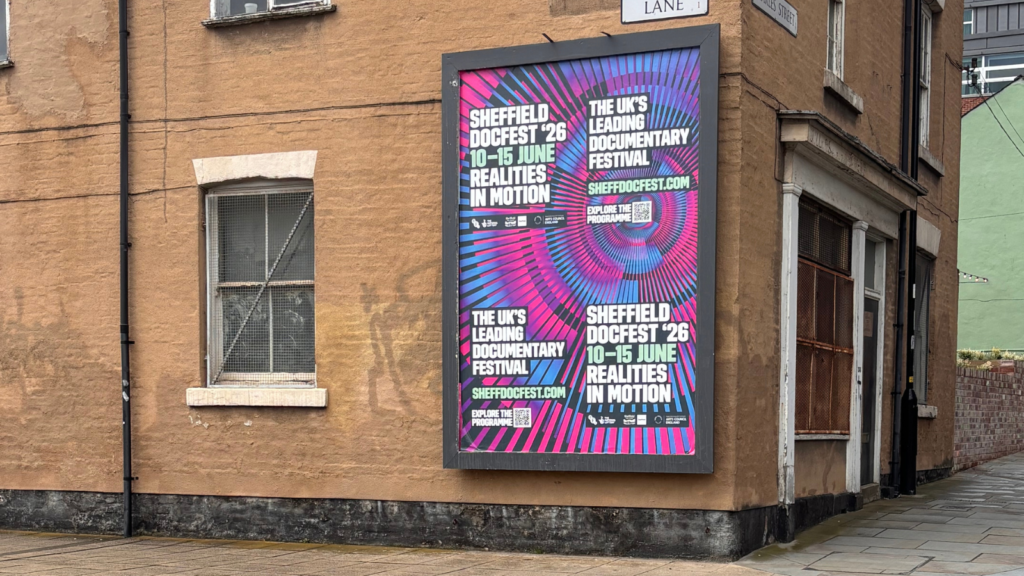
I was also interested in how the festival framed its programme. The use of strands across both features and shorts offered audiences clear routes into the programme based on interests and themes. As someone who is always thinking about audience development, this reinforced the value of helping audiences navigate large programmes through curated collections and themes.
The festival experience itself offered practical learning too. Both of the main venues had welcoming café and bar spaces that naturally encouraged audiences to stay, talk and network before and after screenings. I was also interested to see the standby ticket system in action, particularly for sold-out screenings, and how different pass and ticket bundle options were managed. As FilmBath explores passes and bundles as part of future festival planning, it was valuable to experience these systems from an audience perspective.
My time at Sheffield DocFest left me inspired by the creativity of contemporary documentary filmmaking and full of ideas for future FilmBath programming. Most importantly, it reinforced that audiences are often more adventurous than we think when films are framed well, presented within clear themes and supported by a welcoming festival experience.
Jasmine Barker
Festival Director • FilmBath
Jasmine joined FilmBath in June 2023 and has a passion for audience development, enhancing event experiences and collaborating with partners across the city.