
Talent Executive and author Nadia Attia encourages you to consider the power of your platform.
‘If climate is not in your story, it’s science fiction.’
I heard these words at an Albert training session on sustainability in the film and TV industry and they stuck with me. We’ve all seen the news, our ‘house is on fire’ and those in power are consistently reneging on their climate promises and missing targets – often deliberately, in favour of profit and geopolitics. So what can we creatives do? Turns out, quite a bit. As a filmmaker you have a brilliant platform to tell stories that matter, that inspire or at least offer pause–for–thought. Look at the effect a recent TV drama had on the Post Office scandal: stories can galvanise action. But how can we write about the climate crisis without being preachy or scaring audiences into apathy? In this blog I’ll offer a few tips and approaches for you to consider.
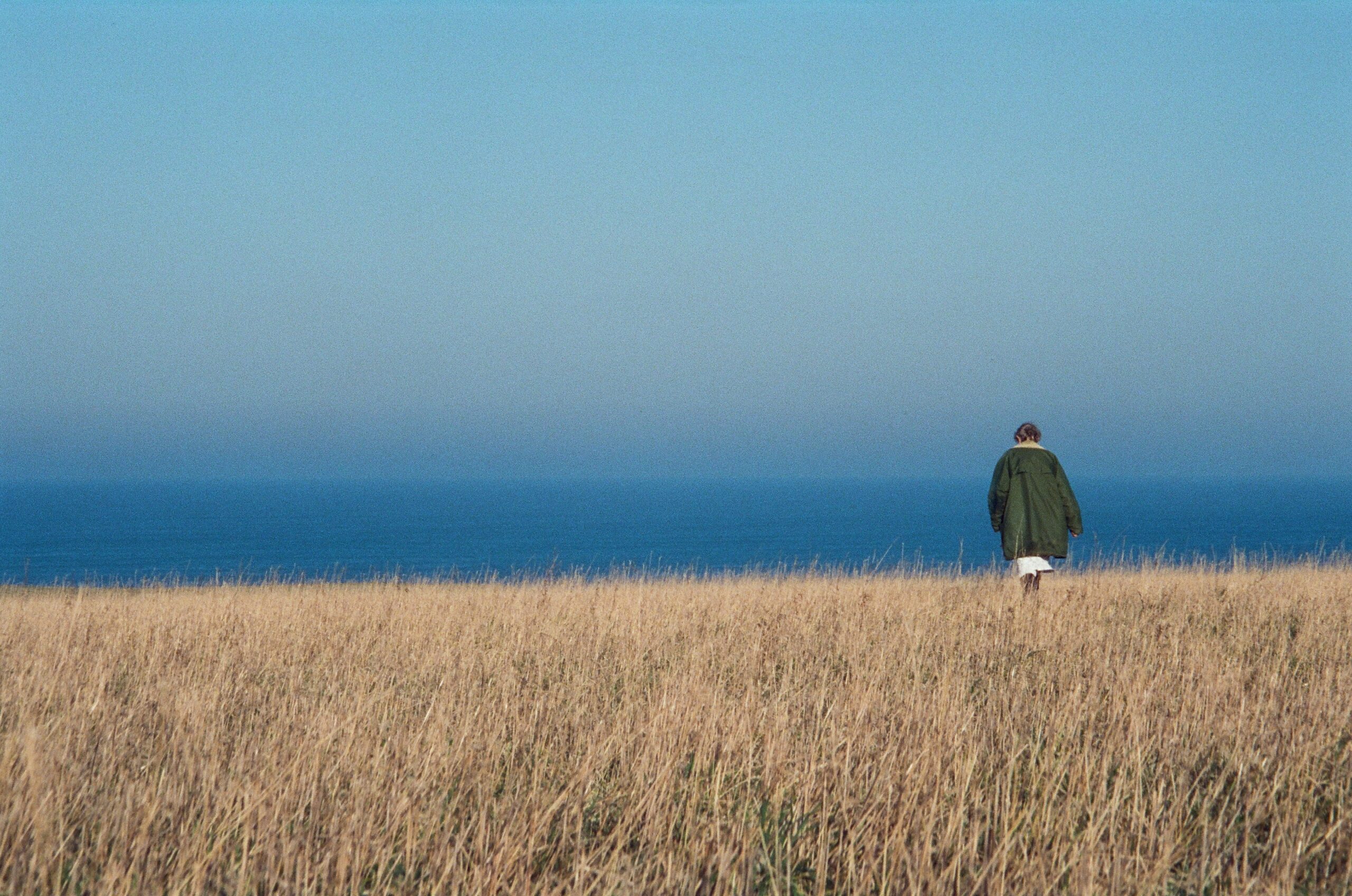
Celebrate what we have
Sure, there’s a place for a dystopian thriller or a disaster movie about floods or wildfires, but by getting someone to fall in love (or back in love) with nature might have just as strong an impact.
We’re more likely to care about and fight for something that we understand, so think about weaving the environment into your stories in more intimate, positive ways, not just as an antagonistic, devastating force. Many of the recent films we’ve supported have seen nature through a lens of healing, or landscape and tradition as something to protect. Think about nature as a fertile garden for the imagination, a place to escape to not run away from. Even the most subtle things can be powerful – a passing comment, a childhood memory, a fleeting glimpse of beauty between the cracks…
‘We really did have everything, didn’t we? I mean, when you think about it.’
Randall Mindy, Don’t Look Up
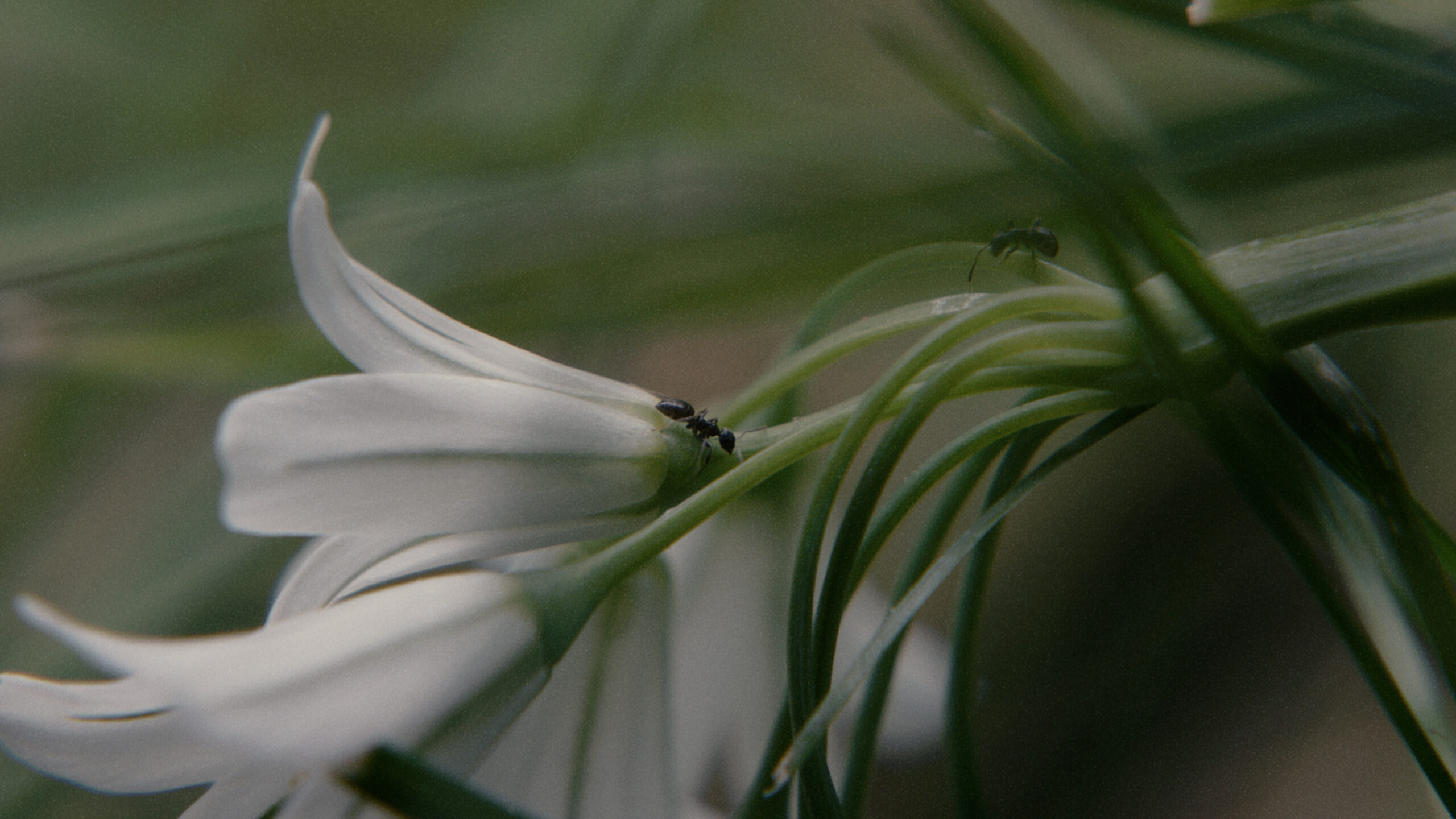
Imagine what could be
Without being too on-the-nose or twee, consider a future where humans have learned from their mistakes and found a way to align with the environment, even better – create a sense of longing for this and inspire hope in your audience. Perhaps your story is a ‘thrutopia’ that feels closer to now, a transient stage of our existence where our intentions are good and repair is in progress but we’re not yet nailing it. If ‘evolve or die’ is a fact of life, what emotional or behavioural evolutions must we go through to find harmony again?
‘Let us make no mistake: the climate crisis is also a crisis of culture, and thus of the imagination.’
Amitav Ghosh, author
Check those clichés
Do your research to avoid misinformation. There are plenty of damaging stereotypes in film and TV that only act to support the notion that change is hopeless and we must put unquestioning faith in those in power. How might you subvert the dope-addled hippy or always-angry activist clichés and give us a fresh take on those who shun societal norms or speak up against embedded, exploitative structures? Instead of ‘othering’ those characters or presenting them as a source of derision could they be applauded for thinking differently? Isn’t a rule-breaker often the most intriguing character? And remember, we don’t have to love these outliers, we just need to understand them and perhaps see a bit of ourselves in them.
Whichever approach you take, my final appeal to you is to remember that when you’re literally world-building you hold immense power; the question is, what will you do with it?

Further Resources
BAFTA Albert training
The Green Rider campaign
Climate Spring’s Storytelling Guide
Heard
Picture Zero
Screenskills Editorial Tips
Emergence Magazine podcast/stories
Climate Fiction Writers League: Can climate fiction be uplifting?
Climate Action Venn Diagram
The Power of ‘Deep Narratives’ by Ella Saltmarshe
Suggested Viewing
There Will Come Soft Rains (short)
Beltane (short)
Bare Roots (short)
Homegrown (short)
Train Dreams (feature)
H is for Hawk (feature)
The Lost Bus (feature)
Kensuke’s Kingdom (feature)
Flow (feature)
Jurassic World: Rebirth (feature)
Bird (feature)
The Outrun (feature)